
In underground and surface mining operations, flexibility and uptime are everything. Quick Detach Systems — commonly known as QDS — play a central role in both. At H.E.M.E., we’ve been servicing, repairing and maintaining QDS equipment for mining clients across the Bowen Basin for many years. Here’s a practical guide to what QDS involves, why it matters and how to keep your systems running at their best.
Conveyor systems are the backbone of most mining operations. A pulley failure doesn’t just mean a component replacement — it means downtime, lost production and, in the case of a major shutdown, significant cost. Getting pulley fabrication and lagging right from the outset is one of the most effective ways to protect your operation.
Common issues faced by Australian mine sites include:
Each of these issues is preventable — or at least manageable — with the right approach to fabrication, lagging selection and storage.
When it comes to pulley lagging, the two main options are hot vulcanised and cold bond. Understanding the difference is key to, choosing the right solution for your application.
Hot vulcanising involves applying a continuous rubber layer around the pulley shell, then curing it under heat and pressure. This process eliminates the joins between lagging strips and creates a significantly stronger bond between the rubber and the shell. The steam curing process also reduces the risk of separation over time, making hot vulcanised lagging the preferred choice for pulleys operating in demanding conditions or stored for extended periods in corrosive environments.
H.E.M.E. is one of the only approved applicators of hot vulcanised pulley lagging outside of the Brisbane region — giving Central Queensland and Bowen Basin mine sites access to this superior solution without the lead times and logistics of sourcing it from the south-east.
Cold bond lagging involves gluing pre-cut strips of rubber lagging directly onto the pulley shell. It’s a simpler, faster and more cost-effective process than hot vulcanising, making it a practical solution when budget and turnaround time are the primary considerations. The trade-off is a shorter service life and a greater risk of edge lifting and joint separation over time.
The decision comes down to the specific demands of your site — including the operating environment, the conditions the pulley will be exposed to, access available for installation, and the required adhesive strength. Our team is happy to talk through the options and help you choose the most suitable solution.
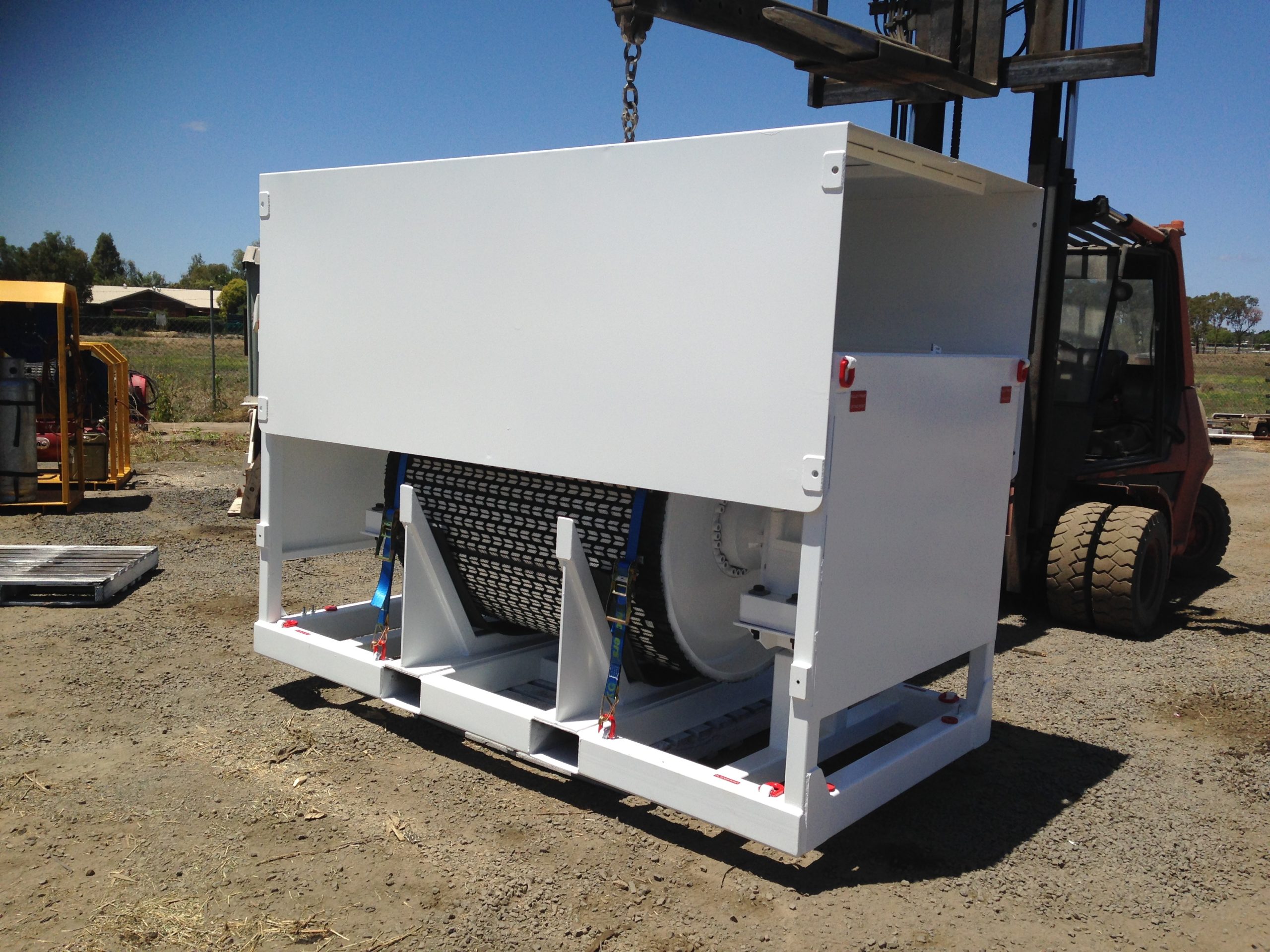
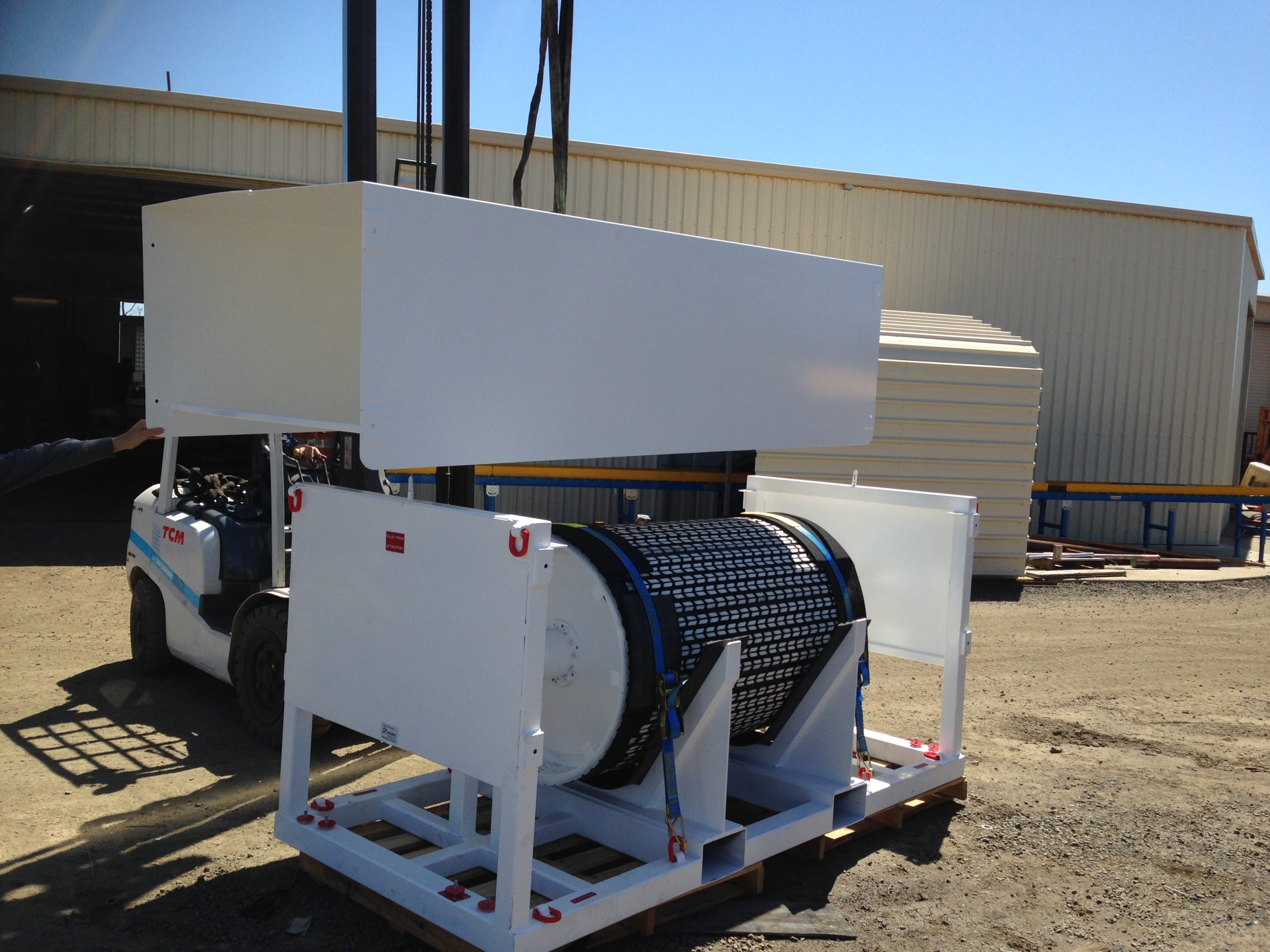
A frequently overlooked issue on mine sites is the deterioration of pulleys held in storage for extended periods. Exposure to heat, moisture and corrosive conditions can significantly degrade a pulley’s condition before it even enters service.
To address this, H.E.M.E. has developed a combined pulley cradle and cover — designed to protect pulleys during both indoor and outdoor storage. Features include:
As a specialist in conveyor pulley fabrication and overhaul, H.E.M.E. offers a complete service — from new pulley manufacture through to full overhaul of existing pulleys. Our services include:
We provide personalised service, fast turnaround and the technical knowledge to match the right solution to your specific requirements.
Talk to the specialists at H.E.M.E. in Emerald. We’re happy to discuss your requirements and provide a free, no-obligation quote.